


If you’ve stood in the toothpaste aisle staring at the wall of whitening kits, strips, pens, and trays, you’ve probably had the same thought a lot of our patients have: do I really need to spend money on professional whitening, or will the drugstore stuff get me there for a fraction of the cost?
It’s an honest question, and it deserves an honest answer.
The short version: drugstore whitening can absolutely work for surface-level staining, especially for people with already-bright teeth and minor discoloration. But for deeper stains, stubborn discoloration, or anyone seeking dramatic results, professional whitening yields a different outcome.
The longer version, which is what most patients actually want, gets into how the two approaches differ chemically, what kinds of stains each one can handle, and where the price difference actually goes. Let’s break it down.
How Whitening Actually Works (Both Versions)
Both drugstore and professional whitening rely on the same active ingredient: peroxide, either hydrogen peroxide or carbamide peroxide. The peroxide breaks down stain molecules within the enamel and underlying dentin, lifting the color from inside the tooth.
The differences between drugstore and professional aren’t really about the chemistry. They’re about three things: concentration, contact time, and delivery.
Concentration
Drugstore whitening products are limited by FDA regulations to relatively low peroxide concentrations. This is a safety feature, since high-concentration peroxide can cause tissue damage if used incorrectly.
Professional whitening can use significantly higher concentrations because a dentist controls the application, protects your gums from irritation, and monitors for sensitivity. Higher concentration means more whitening power per minute of contact.
Contact Time
This is where most drugstore whitening falls short, and it’s worth understanding clearly. Standard whitening gel is only chemically active for a limited window once it’s applied. With drugstore strips, the gel typically stays active for 25 to 35 minutes before it breaks down and stops working.
That 25 to 35 minute window is the limit of what the strip can do, no matter how long you leave it on. After that, you’re just wearing plastic.
This is also true of most basic in-office whitening systems used at less specialized dental offices. They use the same short-contact chemistry, just at higher concentrations.
Delivery
Drugstore strips have to fit a generic mouth shape, which means they don’t seal tightly against your teeth. Saliva gets in, dilutes the gel, and reduces effectiveness. Some teeth get good contact, others (especially the ones at the back or those that are slightly tilted) get less.
Professional systems use custom-fit trays designed from a digital scan of your specific mouth. The fit is precise, which means the gel stays where it’s supposed to and works on every surface evenly.
What Drugstore Whitening Can Actually Do
Let’s give drugstore whitening fair credit. For the right person, it works.
If you have generally bright teeth with mild surface staining from coffee, tea, or red wine, and you want to brighten by a shade or two, drugstore strips used consistently over a few weeks can produce noticeable results. The cost is low, the convenience is high, and the outcome is real.
The reason drugstore whitening exists as a category is that it does work, just within a limited range.
Where it falls short is in:
Deeper, set-in stains that have built up over the years.
Discoloration caused by aging (which happens at the dentin level, not just the enamel).
Tetracycline staining (a specific gray or brown discoloration from antibiotic use during tooth development).
Heavy coffee, tea, wine, or tobacco staining.
Anyone wanting dramatic, multi-shade results.
For these cases, drugstore whitening tends to plateau at a certain point, and no amount of additional strips will push past that limit.
Why KöR Whitening Is Different
We use the KöR Whitening Deep Bleaching System at Witkowski Dental, and it’s worth explaining what makes it different from both drugstore whitening and basic in-office systems.
KöR’s central innovation is contact time. While standard whitening gels are active for 25 to 35 minutes, KöR’s specially formulated gel stays active for six to ten hours.
That’s not a typo. Six to ten hours of continuous, active whitening per application.
This is made possible by two things: a refrigerated gel formulation that maintains its activity longer than standard gels, and custom KöR-Seal trays that seal so tightly against your teeth that saliva can’t get in to dilute the gel. Saliva is what neutralizes the peroxide in standard systems, which is why standard gels stop working after 30-ish minutes. KöR keeps the saliva out, and the gel keeps working.
The practical difference shows up in two ways:
First, KöR can address types of staining that other systems genuinely cannot, including tetracycline staining (which was once considered untreatable) and deep age-related discoloration.
Second, results are typically more dramatic and last longer, because the deep bleaching reaches stain molecules embedded throughout the tooth structure, not just at the surface.
What the Cost Difference Actually Buys You
A box of drugstore whitening strips runs roughly $30 to $50 for a multi-week supply. KöR Whitening typically costs significantly more upfront.
The gap is real. Whether it’s worth it depends on what you’re actually trying to achieve.
You’re paying for:
Custom-fit trays designed from a digital scan of your specific mouth, not generic strips that don’t fit anyone perfectly.
Higher-concentration gel that can address deeper staining than drugstore products are allowed to.
Six to ten hours of active whitening per application versus 25 to 35 minutes.
Professional monitoring, which includes evaluating your teeth for sensitivity, identifying any dental work that won’t whiten the same way (crowns and veneers don’t change color), and adjusting the protocol if your gums get irritated.
Documentation of your starting shade and tracking through treatment, so you can see progress and have a target to maintain.
A long-term plan for keeping your shade after treatment, including touch-up protocols.
For someone who wants a few shades of improvement on already-bright teeth, that level of investment is overkill. Drugstore strips will do the job.
For someone with stubborn discoloration, deeper staining, or an event coming up where they want dramatic results, the math changes. The investment buys you a result that drugstore products literally cannot produce.
Sensitivity: The Question Most People Don’t Ask
Sensitivity is one of the most common reasons people give up on whitening, and it’s worth talking about honestly.
Drugstore strips often cause sensitivity, especially with extended use. There’s no way to adjust the protocol to your specific tolerance, and the only options are to use them less or stop entirely. For people prone to sensitive teeth, this can be a dealbreaker.
Professional whitening can be adjusted in real time. If your teeth get sensitive, we modify the protocol, add desensitizing treatments, or change the wear schedule. KöR specifically is designed to minimize sensitivity, and most patients tolerate it well even if they’ve had bad experiences with drugstore products.
This is one of the underappreciated advantages of professional whitening: the system bends to your situation rather than the other way around.
Who Should Choose Each Option
Honest guidance from someone who isn’t trying to upsell you:
Drugstore whitening is right for you if:
- Your teeth are already pretty bright, and you want a small, gradual improvement.
- You have minor surface staining from recent coffee or wine consumption.
- You’re not in a hurry and don’t mind several weeks of consistent use.
- You don’t have significant tooth sensitivity.
- Budget is the primary constraint.
Professional whitening with KöR is right for you if:
- You have stubborn, set-in staining that hasn’t responded to other products.
- You have tetracycline staining, fluorosis, or deep age-related discoloration.
- You want dramatic, multi-shade results.
- You have an event coming up (wedding, photos, reunion) where you want to look your best.
- You’ve tried drugstore products and hit a plateau.
- You have sensitive teeth and need a controlled protocol.
- You want a long-lasting result rather than constant touch-ups.
The honest answer is that one isn’t universally better than the other. They’re tools for different jobs.
What a Whitening Consultation Looks Like
We offer whitening consultations at our Mokena office because we want patients to understand their options before committing to anything.
A consultation includes:
A look at your current shade and a discussion of where you’d like to be.
An honest assessment of whether KöR is the right fit, or whether a different approach (or even drugstore products) might serve you better.
A clear explanation of cost, timeline, and what the protocol involves.
No pressure, no upsell. If we think drugstore strips would get you the result you want, we’ll say so.
Frequently Asked Questions
Schedule a Whitening Consultation in Mokena
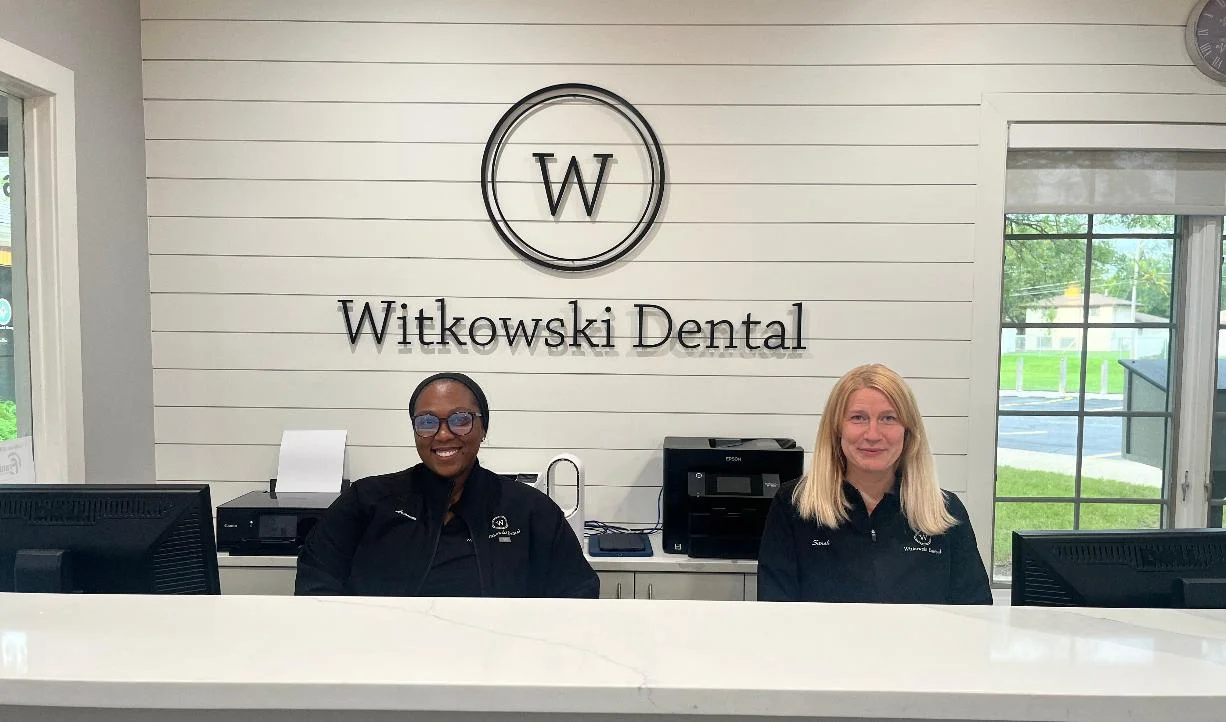
If you’ve been wondering whether professional whitening is worth the investment, the best way to find out is to come in and talk it through. We see patients from Mokena, Frankfort, Tinley Park, Orland Park, and the surrounding southwest Chicago suburbs for whitening consultations, and our team will give you a straight answer about what would actually work for you.
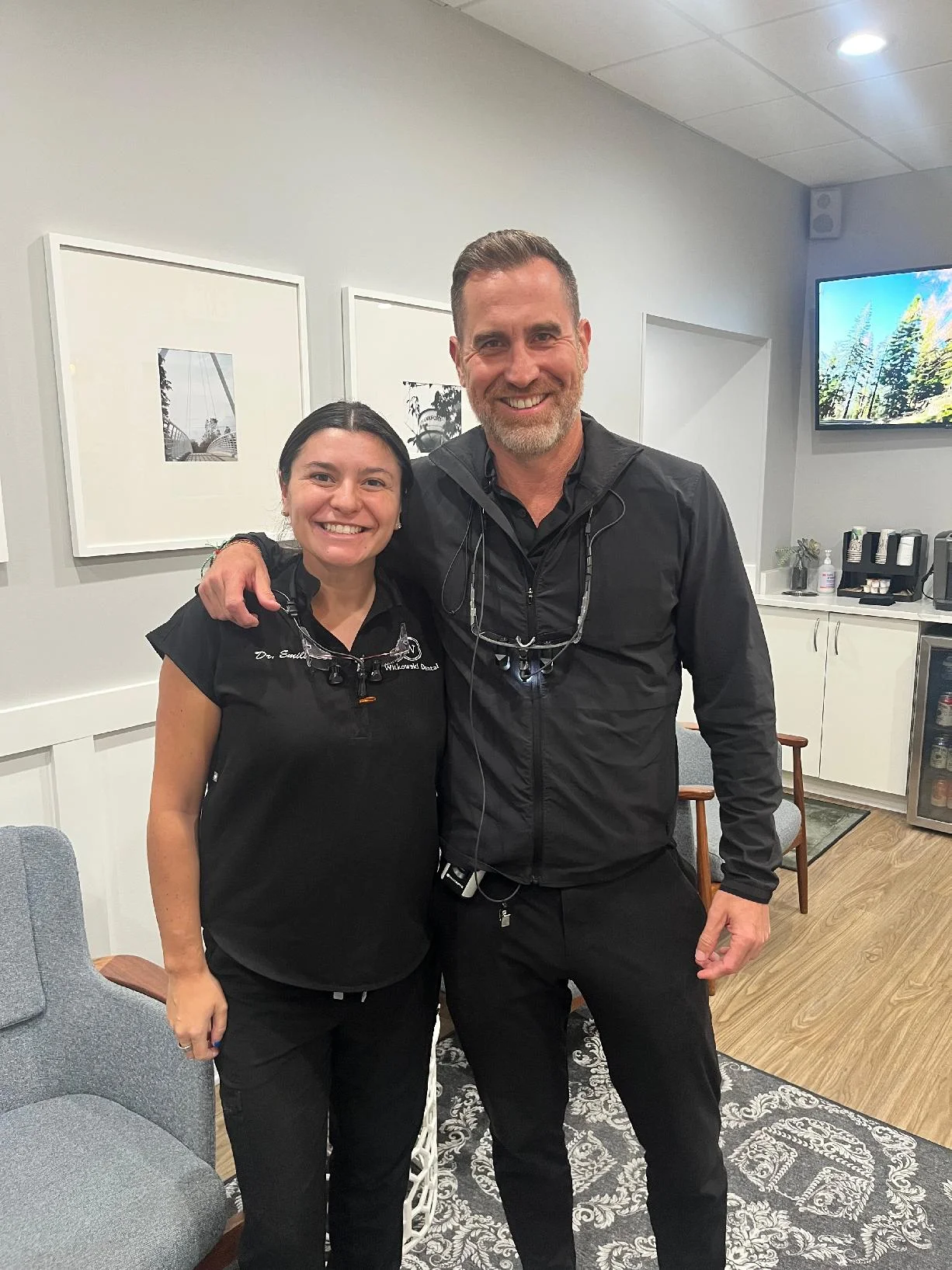
Our doctors include Dr. Leon Witkowski III, Dr. Leslie Clevenger, and Dr. Emili Hester, who all share a conservative philosophy and a commitment to honest, patient-first guidance.
Call our Mokena office at 708-479-9888 or request an appointment through our contact form to book a whitening consultation.